itreebute
Projects
Projects
2023 & 2024
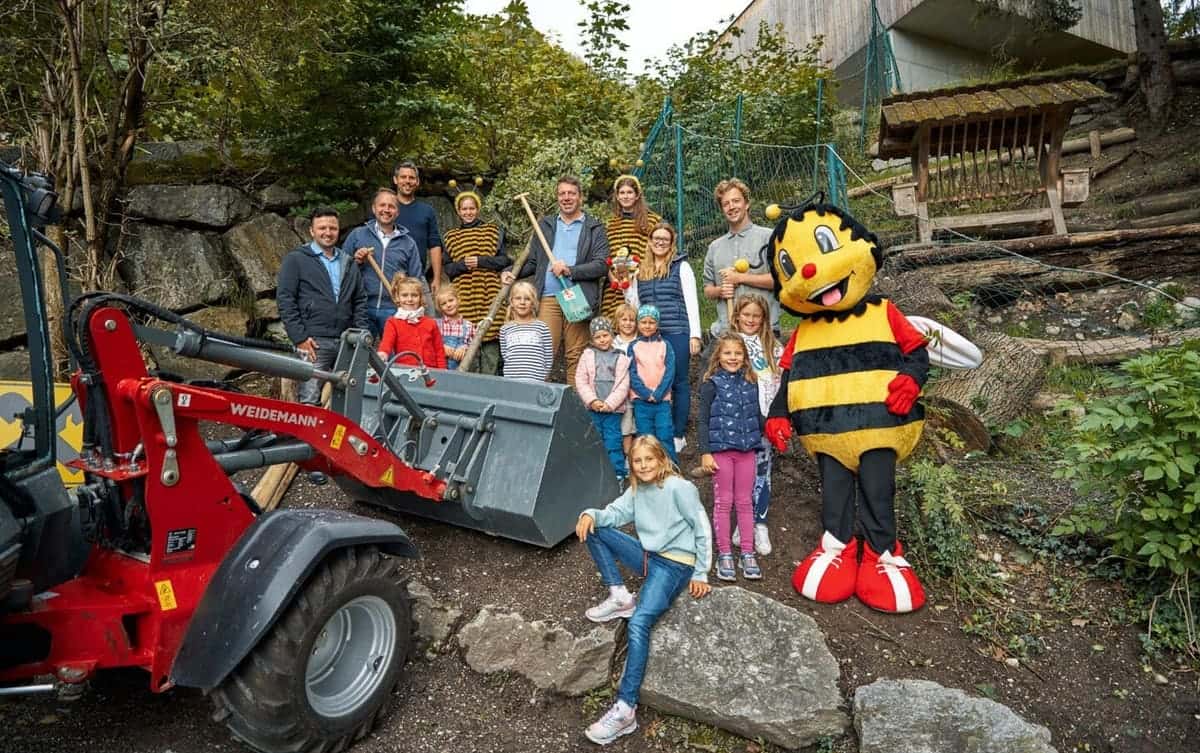
In 2023, together with Raiffeisen-Landesbank Tirol, we planted the “Sumsi-Baum” at Alpenzoo Innsbruck, a native pedunculate oak around 7 metres tall. This species is especially robust, climate-resilient and provides valuable habitat for numerous animal species over the long term.
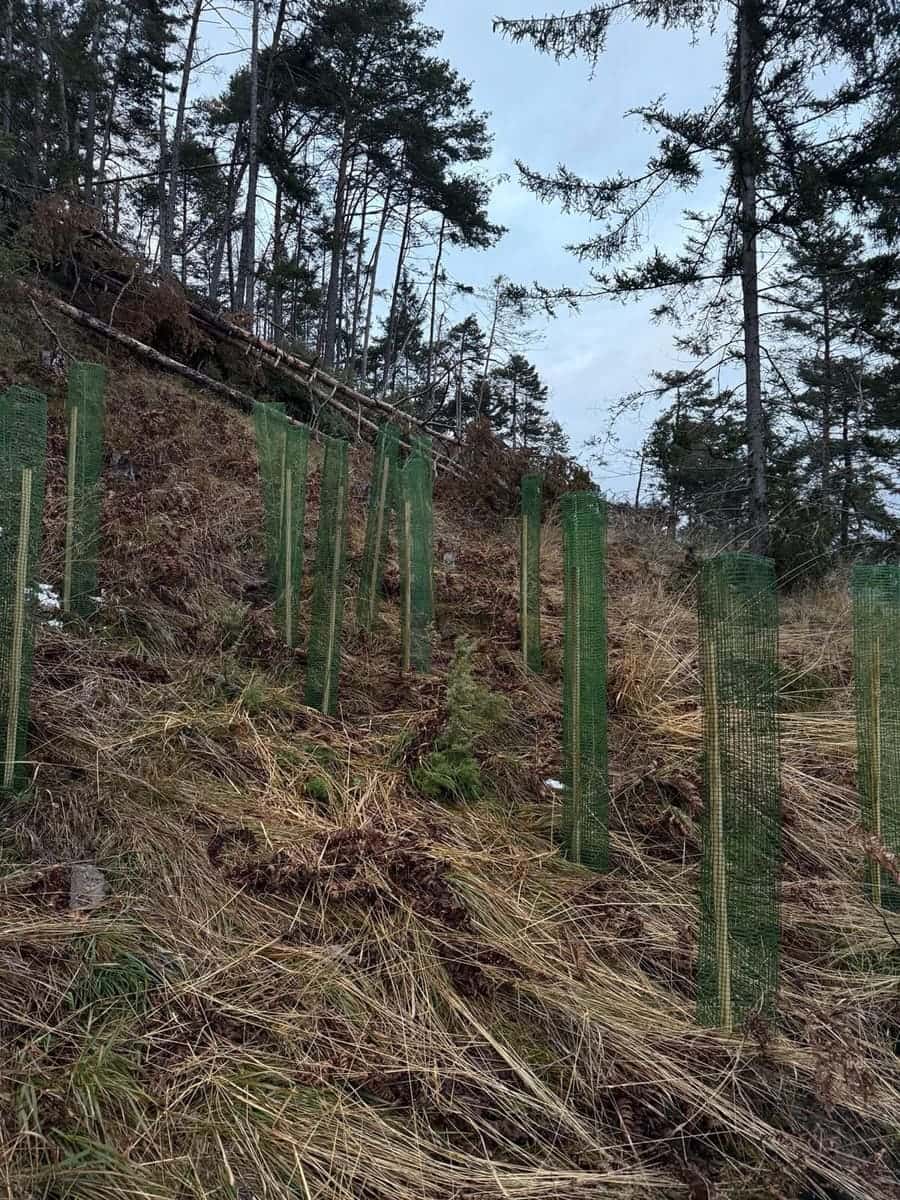
Together with Forstaufsicht Telfs, in 2024 we planted 50 climate-resilient, site-appropriate trees in the municipal forest. Only native species were used, among them pedunculate oak, wild cherry and sycamore maple, to contribute to the long-term stability and biodiversity of the forest. In addition, protective measures such as acacia stakes and tree guards were installed to shield the young saplings from browsing and weather during the first years.
2025
A second life for
Christmas trees
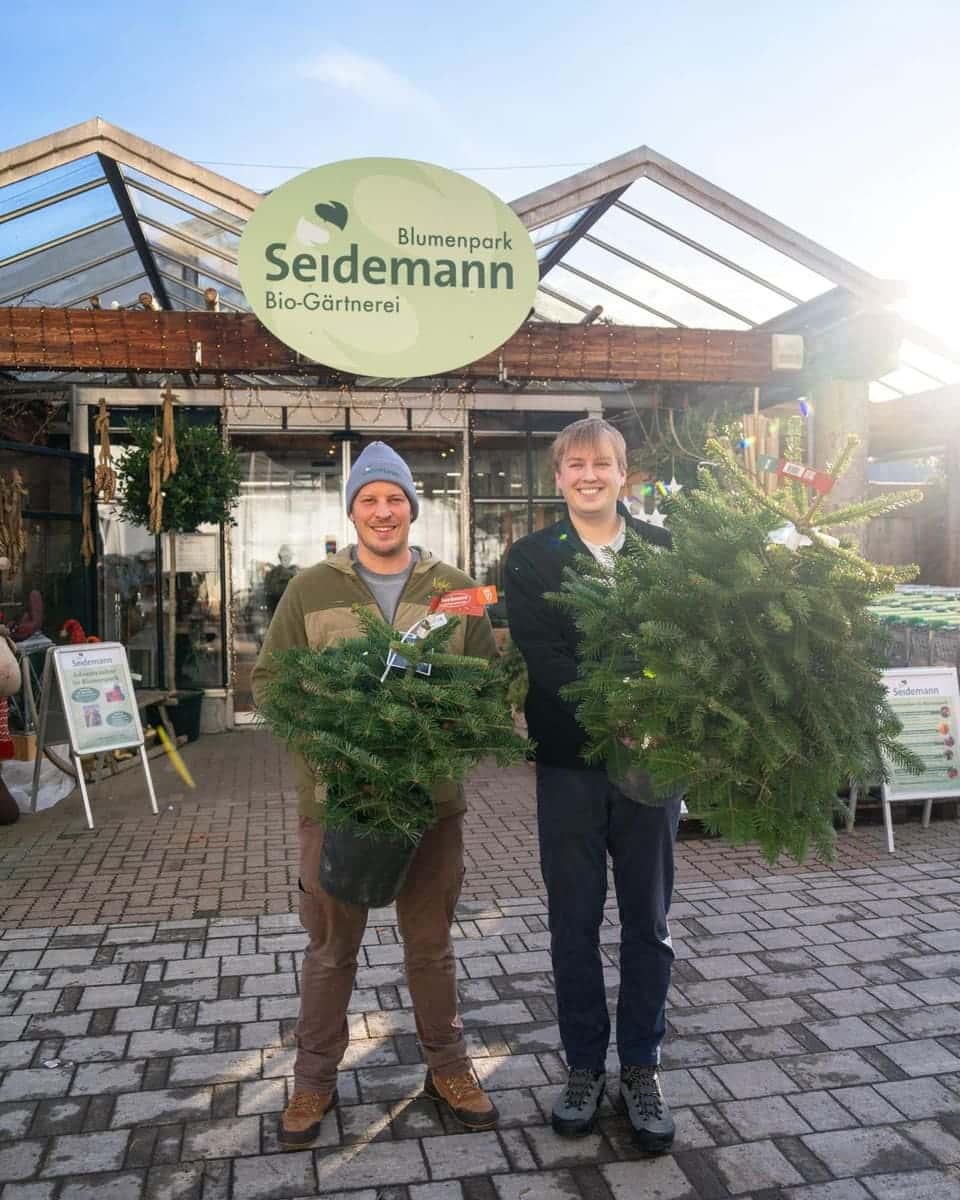
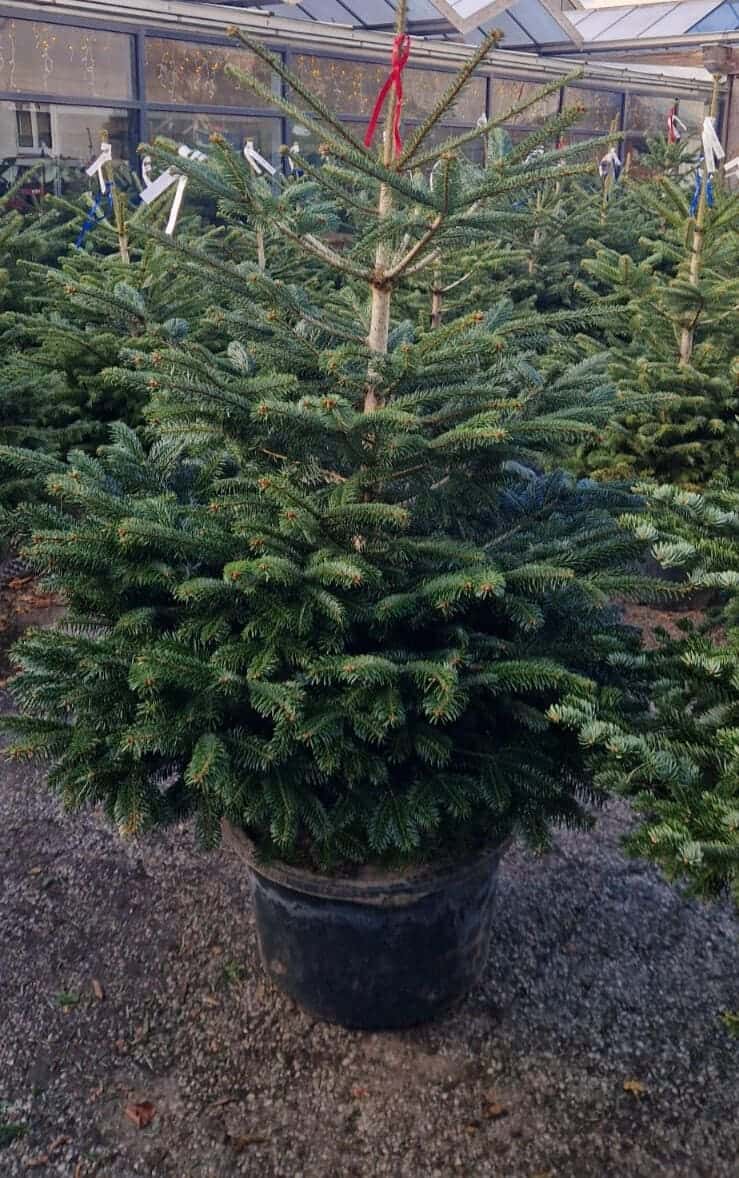
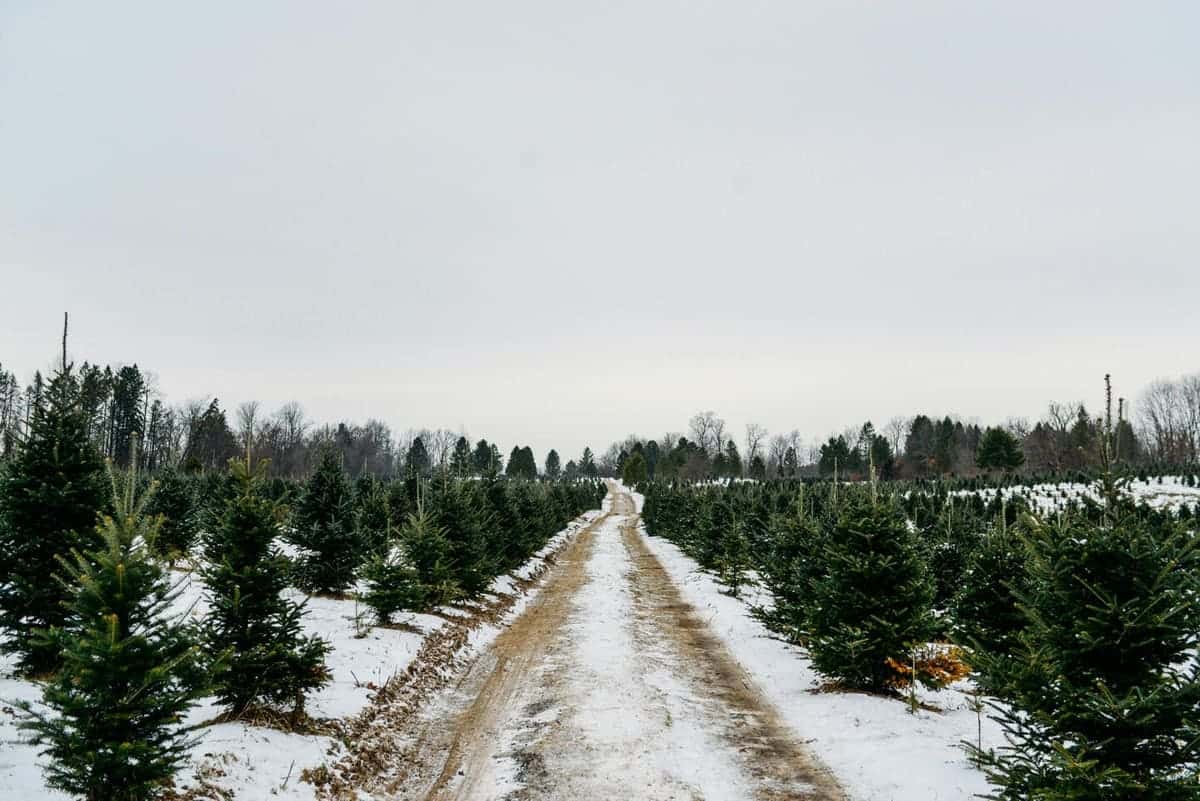
Every year, countless Christmas trees are cut in Tyrol and thrown away once the festive season ends. Bio-Gärtnerei Seidemann offers a sustainable alternative and rents out Nordmann or silver firs in pots. Together with our partner, we support this initiative by giving the trees a permanent home once they are returned. itreebute selects suitable sites across Tyrol and plants all the trees professionally in spring, so they can keep growing, capture CO₂, improve the microclimate and contribute to regional biodiversity in the long run. The work is carried out with regional experts and accompanied by photo and video documentation as well as digital records.
Fundraiser
Copper beech
For over a century, a striking copper beech stood in front of the Haus der Musik and had become a familiar part of Innsbruck's cityscape. It gave shade, shaped the square and was far more than just a tree to many people. Due to fungal infestation and damage, however, the tree had to be felled for safety reasons.
Together with local supporters, we want to give the city a copper beech once again. The new planting is meant to recall the old tree while also standing for the preservation of urban green spaces. City trees like the copper beech perform important functions: they cool their surroundings, improve air quality, capture CO₂, filter fine dust and provide habitat for birds and insects. With this project we want to help make Innsbruck greener and more climate-resilient step by step, and bring back a tree that can once more become part of the cityscape for generations to come.
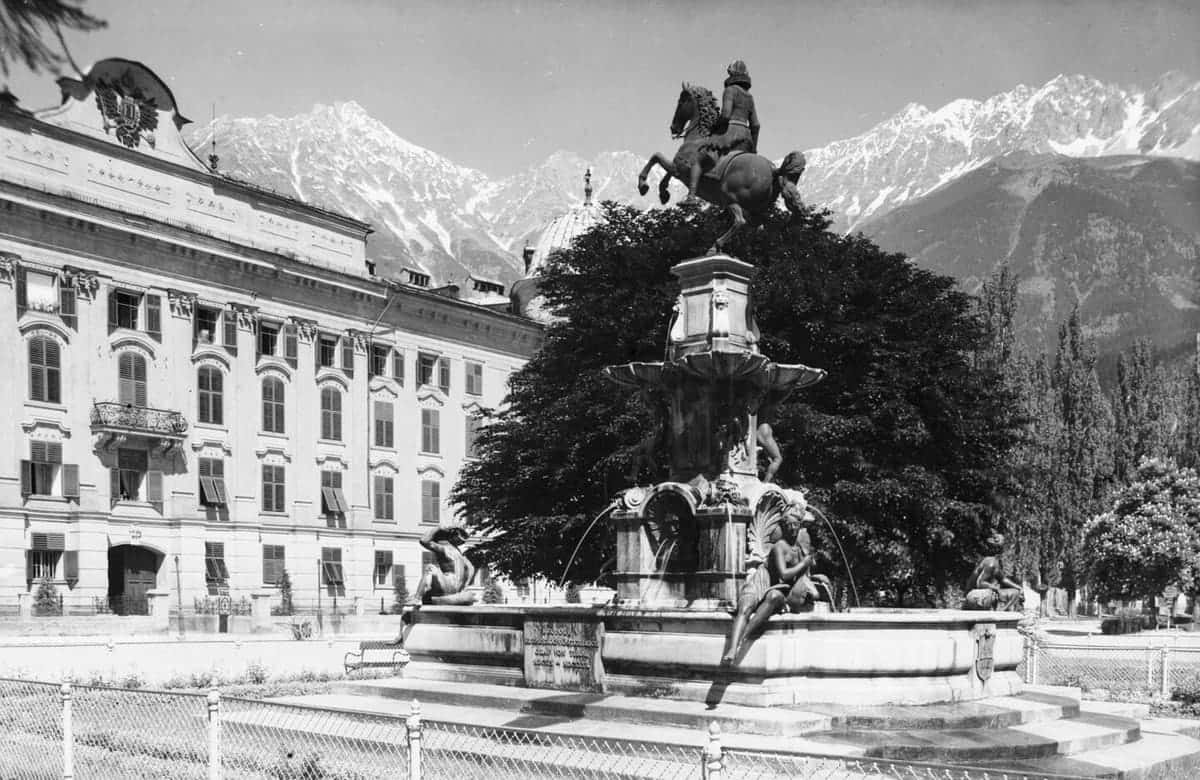
Historical photographs of the copper beech between 1930 and 1950 (source: city archives)
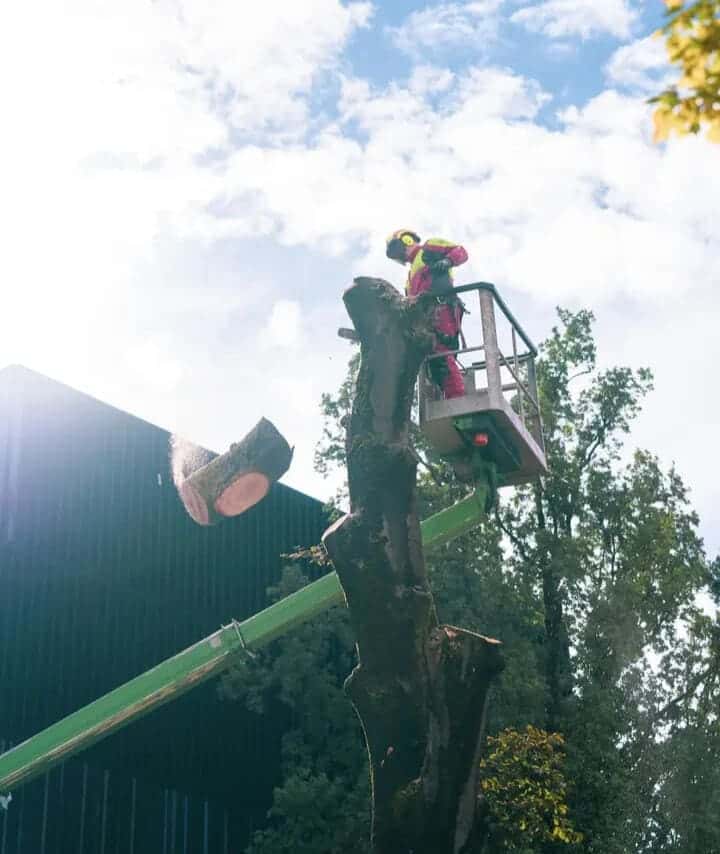
Recent photograph of the felling on 25.09.2025 (source: Julian Warenski | 4zu5)
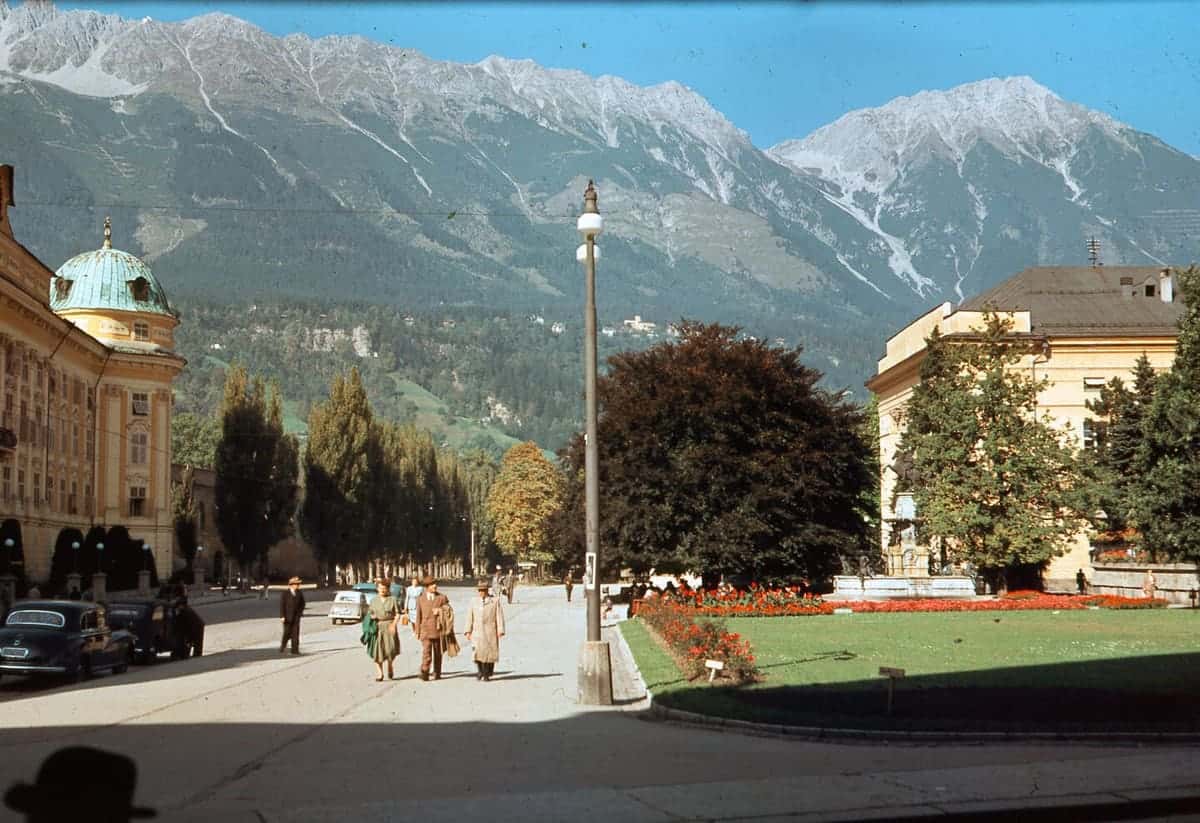
Historical photographs of the copper beech between 1930 and 1950 (source: city archives)
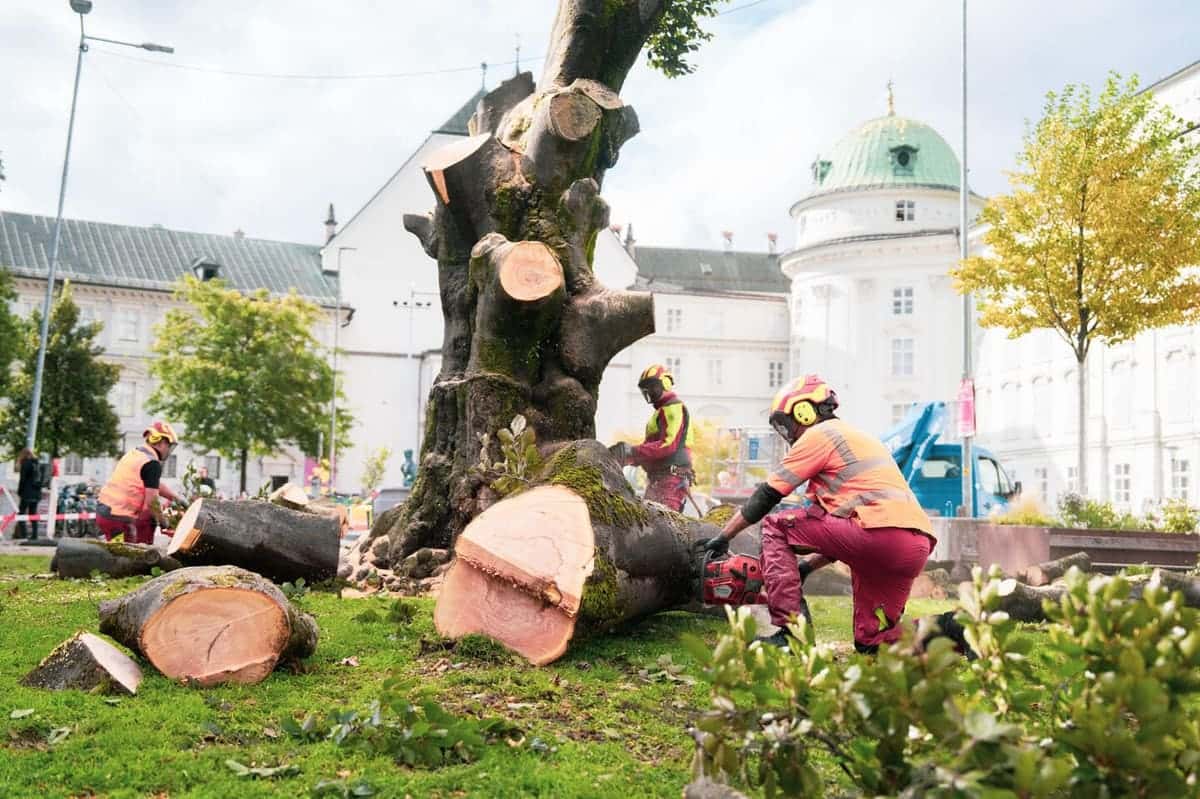
Recent photograph of the felling on 25.09.2025 (source: Julian Warenski | 4zu5)
Projects around
Bees
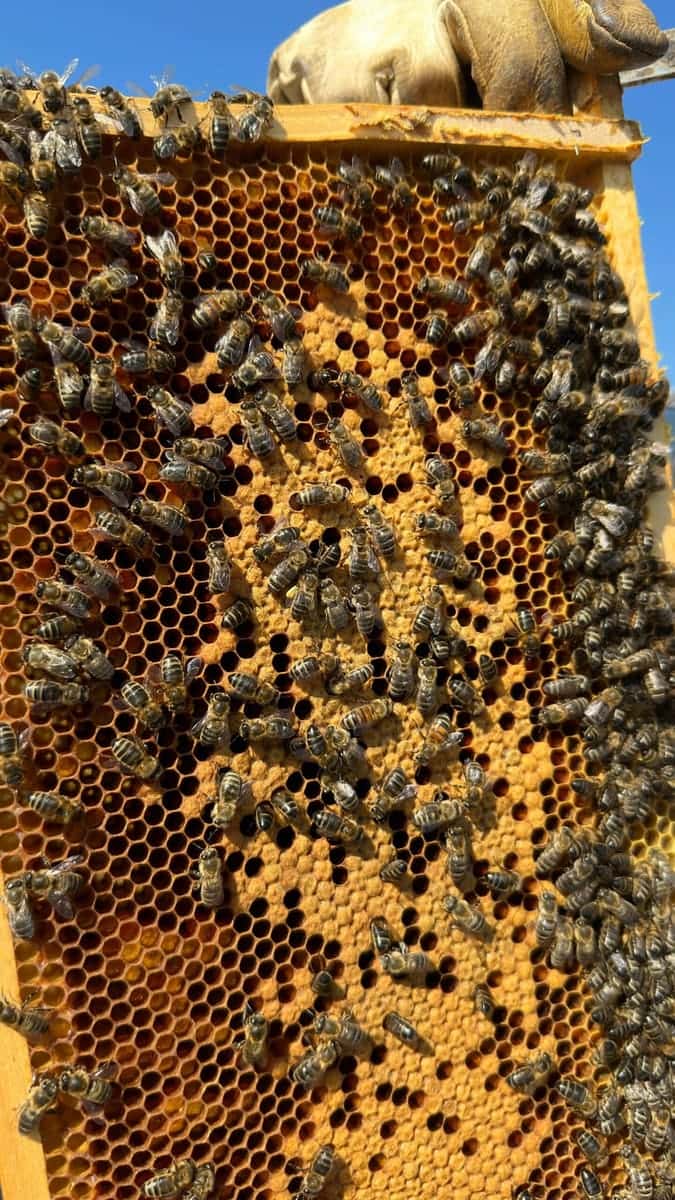
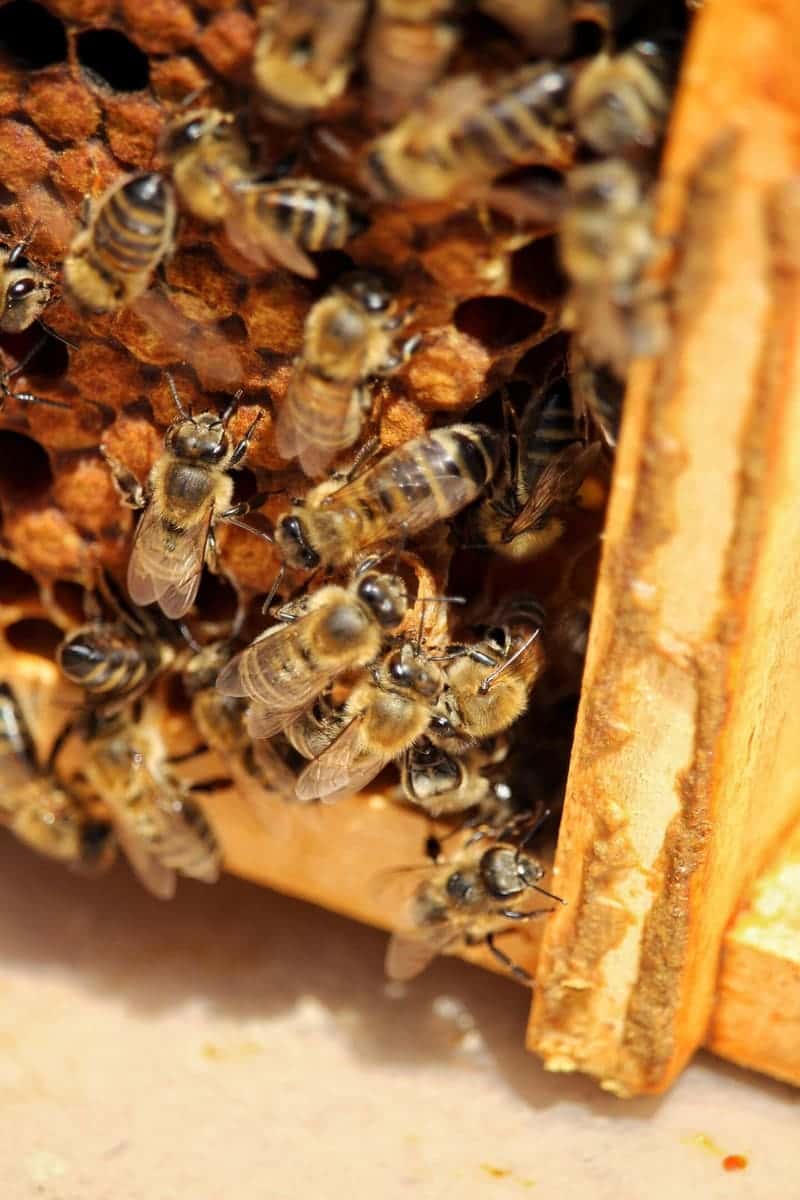
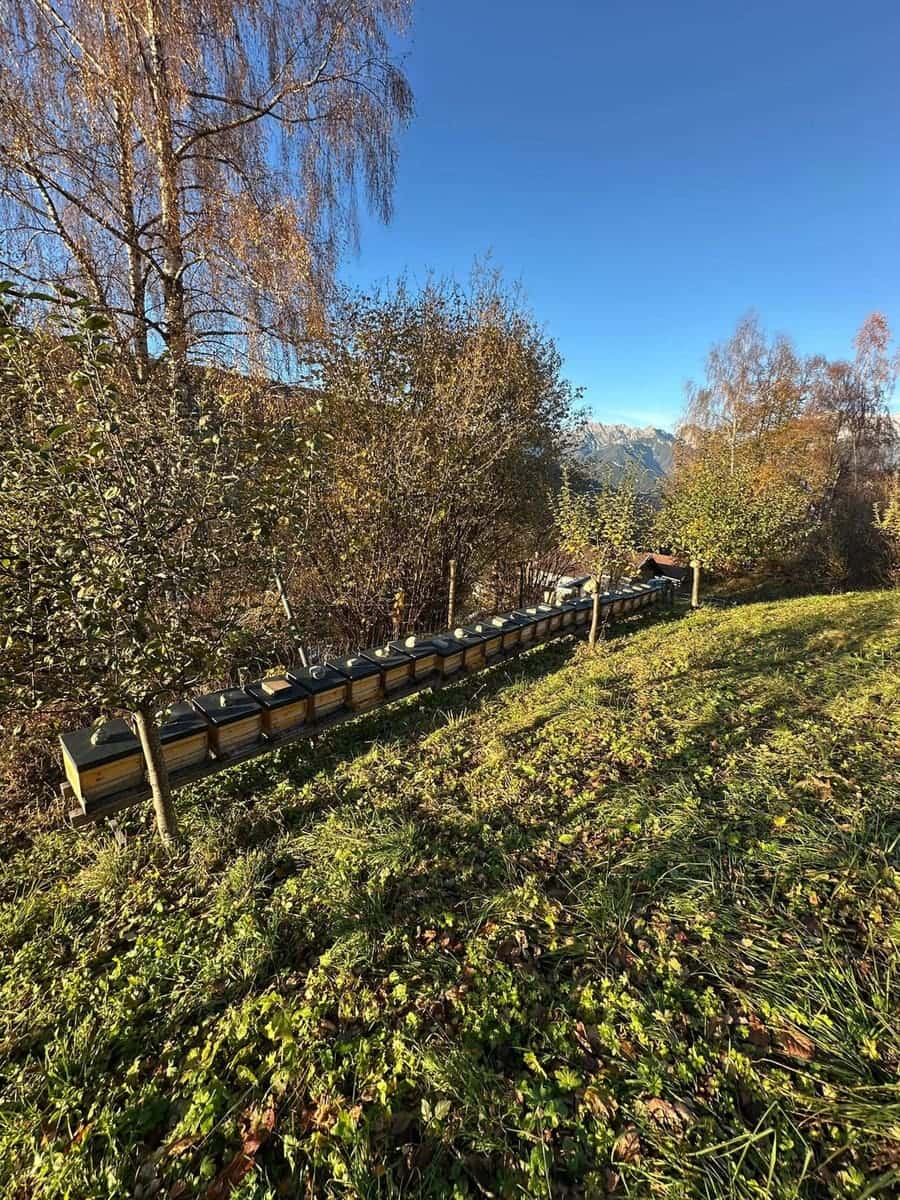
Bees make an important contribution to ecological balance and to the pollination of countless plant species. To strengthen their habitat in Tyrol, we are planning several bee projects at selected locations together with the local beekeeper Lukas Schmider. The goal is to create suitable places where bee colonies can live stably. These sites are chosen with care: quiet, well sheltered and with plenty of food available. Once the hives are set up, they are looked after regularly by experts to safeguard the health of the colonies. We are also taking measures to support wild bees and biodiversity, including site-adapted nesting sites and accompanying flowering areas. The bees and wild bees then help pollinate the surrounding vegetation, directly strengthening regional biodiversity.

tyrolean
wildflowers
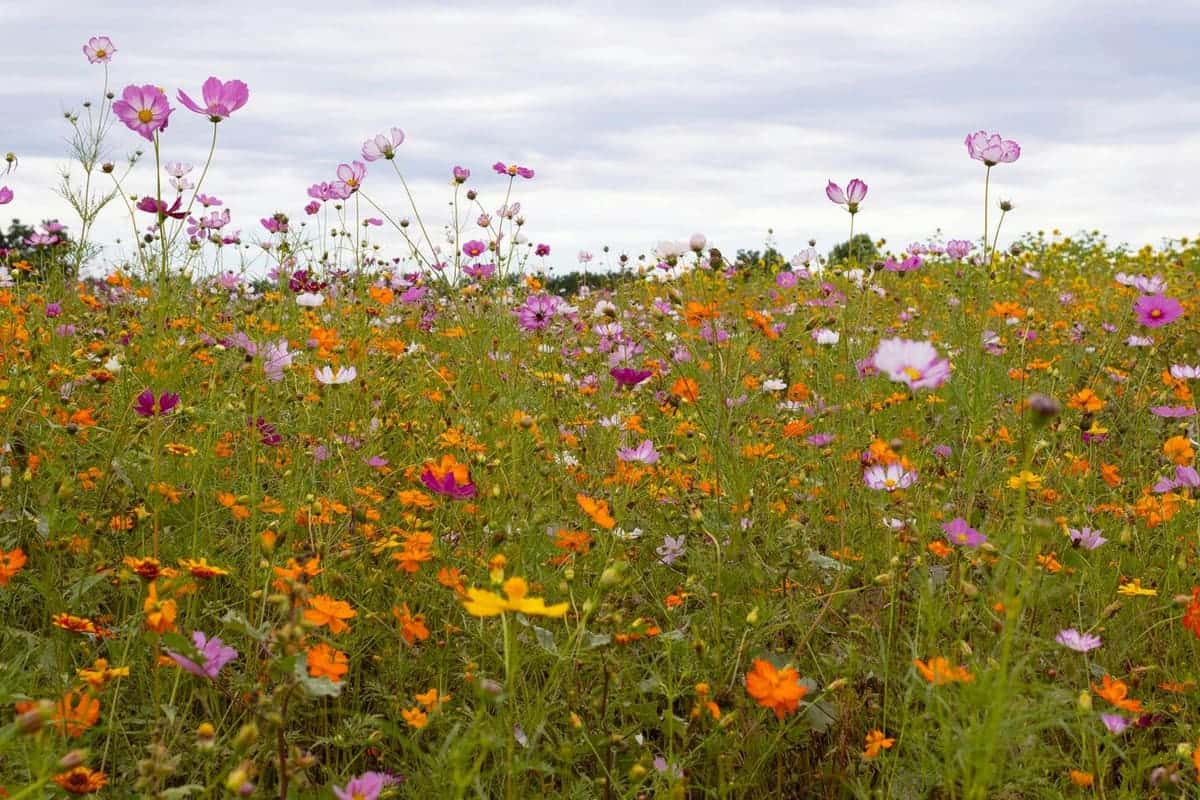
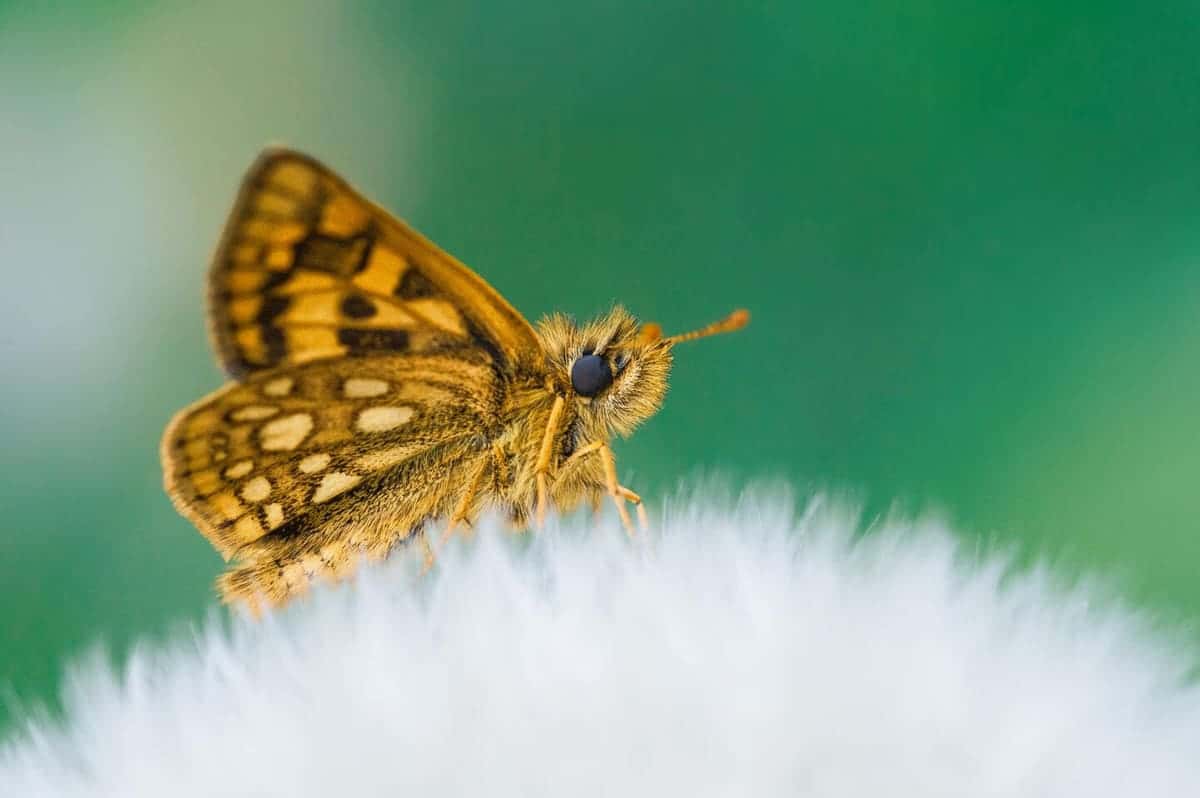
Wildflower meadows make an important contribution to preserving biodiversity and supporting insects, especially wild bees and butterflies. For several years, Wildblumen Tirol has been collecting autochthonous seed from Tyrolean nature reserves and the surrounding area and using it to produce native wildflower mixes. The plants used come exclusively from regional seed, are cultivated without chemical additives and are REWISA- and BIO-certified. This ensures that the meadows created are ecologically valuable, site-adapted and stable over the long term. The resulting wildflower areas offer a diverse range of blossoms over many months and serve numerous insect species as a source of food and habitat. At the same time they are low-maintenance and usually only need to be mown once or twice a year. The result is species-rich, near-natural areas that make a lasting contribution to protecting the environment and promoting biodiversity in Tyrol.
ARE WE ALSO TAKING ON OTHER
PROJECTS?
Yes, of course. Together with our expert advisory board we keep taking on new, sustainable and regional projects and present them on our platform. If you have land available for implementation or your own project ideas, we look forward to hearing from you.
Footage of the felling: 4zu5